


Summer walks, backyard fetch, road trips with the windows down, the warmer months are some of the best times to be a dog. But rising temperatures also bring one of the most dangerous and fast-moving emergencies in veterinary medicine: heat stroke.
Unlike people, dogs can't sweat their way to a cooler body temperature. They rely almost entirely on panting, and when that system gets overwhelmed, internal temperature can spike to life-threatening levels in minutes.
Knowing the signs of heat stroke in dogs, and understanding how to prevent it, can be the difference between a scary afternoon and a trip to the emergency vet. Here's what every pet parent should know before the temperature climbs.
What Is Heat Stroke in Dogs?
Heat stroke, also called canine hyperthermia, occurs when a dog's body temperature rises above the normal range of 101–102.5°F and climbs past 105°F, overwhelming the body's ability to cool itself. It can happen quickly, especially in hot cars, during intense exercise, or on humid days, and it affects every organ system in the body. Left untreated, heat stroke can cause brain swelling, kidney failure, abnormal blood clotting, and death.
Some dogs face higher risk than others. Brachycephalic (flat-faced) breeds like Bulldogs, Pugs, and Boxers have narrower airways that make panting less effective. Senior dogs, puppies, overweight dogs, and dogs with thick or dark coats are also more vulnerable, as are dogs with underlying heart or respiratory conditions.

Signs of Heat Stroke in Dogs to Watch For
Early recognition is everything with heat stroke. Watch for:
- Heavy, rapid panting that doesn't slow down, along with excessive drooling
- Bright red or purple gums and tongue, or gums that feel dry and tacky instead of moist
- A rapid heart rate, even at rest
- Weakness, wobbliness, or trouble standing and walking
- Vomiting or diarrhea, sometimes with blood
- Confusion, disorientation, or a glassy, unfocused look
- In severe cases, collapse, seizures, or loss of consciousness
If your dog shows any combination of these signs after time outdoors, in a car, or during exercise, treat it as an emergency. Move them to a cool area immediately and contact a veterinarian right away, cooling a dog before arrival at the animal hospital has been shown to significantly improve survival odds.
However, do not use ice or very cold water to cool your dog down. This can send their body into shock.
How to Prevent Heat Stroke in Dogs
The good news: canine heat stroke is largely preventable with a few consistent habits.
Time Walks and Playtime Wisely
Avoid the hottest part of the day, typically 10 a.m. to 4 p.m. Early mornings and evenings are safer for walks and exercise.
Never Leave a Dog in a Parked Car
Even with the windows cracked, a car's interior can climb 20 degrees or more in just ten minutes, one of the leading causes of preventable heat stroke.
Provide Constant Shade and Water
Whether at home, in the yard, or on the trail, your dog should always have a cool spot to rest and water available on demand.
Watch the Pavement
If asphalt is too hot for your bare hand for five seconds, it's too hot for your dog's paws, and the heat radiating up adds to overall body temperature.
Prioritize Hydration Before, During, and After Activity
This is one of the simplest and most overlooked prevention tools pet parents have, and it starts with more than just water.
Why Hydration Is Your Dog's First Line of Defense
Water alone helps, but it isn't the whole story. When dogs pant heavily to cool down, they lose more than just water, they lose electrolytes like sodium, potassium, and magnesium that are essential for regulating body temperature, supporting circulation, and keeping muscles and organs functioning properly. A dog that's low on electrolytes can dehydrate faster and struggle more to recover from heat stress, even if they're drinking water regularly.
This is where PicoMyte and ReMag, PicoPets'® liquid hydration supplements, can support your dog's everyday resilience to heat.
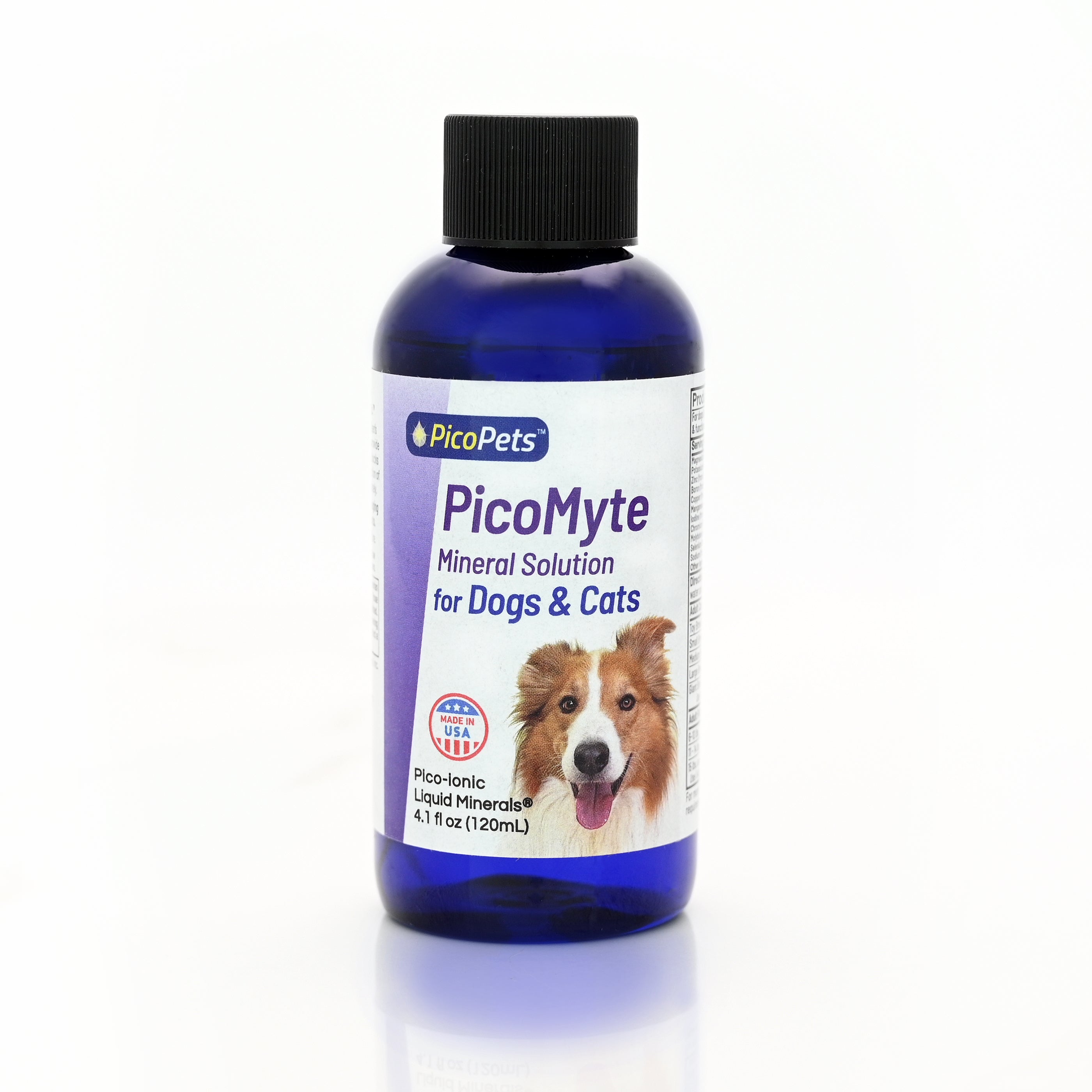
PicoMyte®
PicoMyte is an 11-in-1 liquid mineral supplement that replenishes essential electrolytes, including sodium, potassium, and magnesium, to help maintain fluid balance, support temperature regulation, and keep cells functioning efficiently. Just one teaspoon added to a gallon of water builds hydration support right into your dog's daily water bowl, so their body is better prepared to handle hot days before they even start.
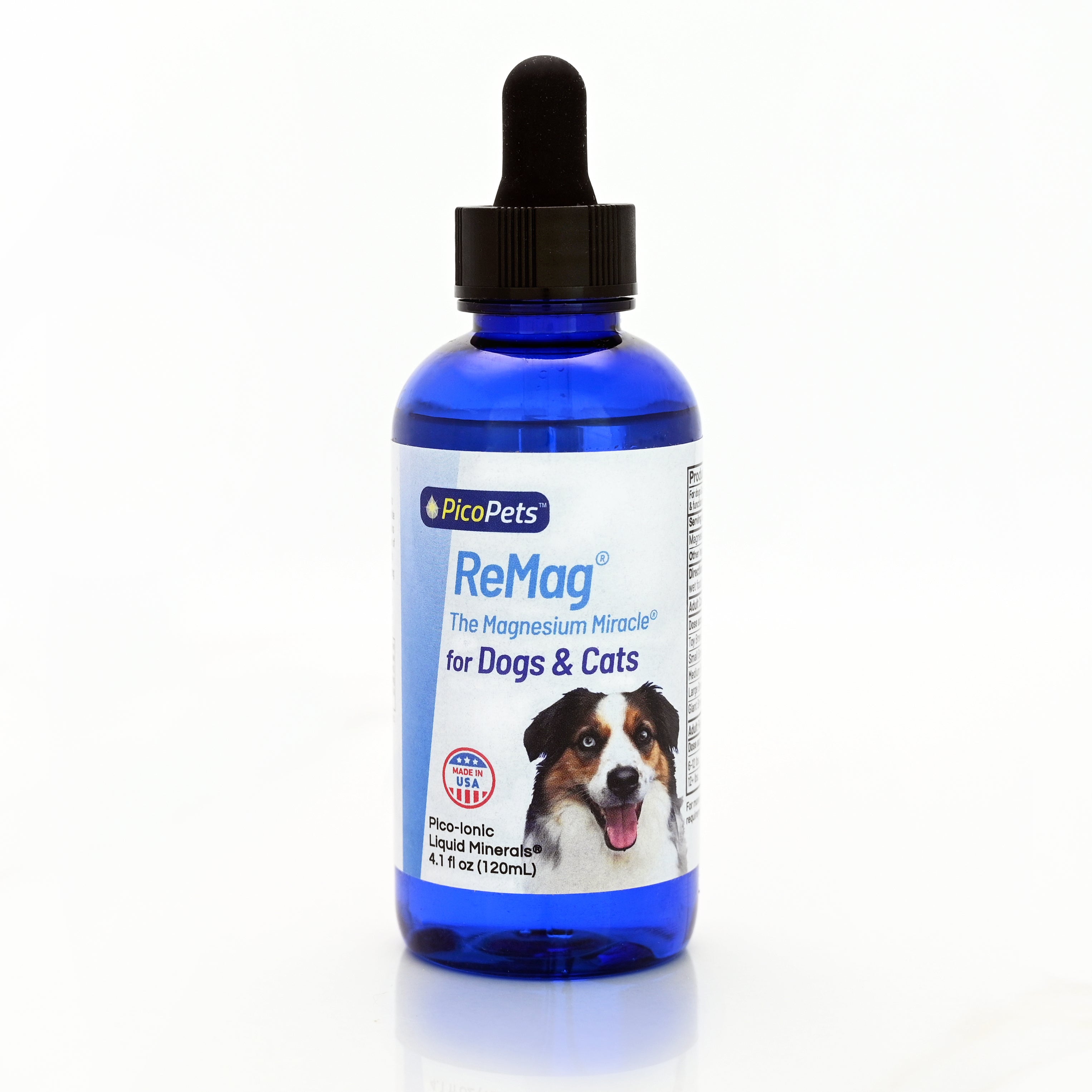
ReMag®
ReMag is a highly absorbable liquid magnesium supplement that supports the body's fluid balance while also promoting muscle function, steady energy, and a calm, healthy stress response, all useful during the physical strain that heat puts on a dog's system. A few drops in water or food each day is all it takes.
How Much to Give
Both formulas are simple to add to your dog's daily routine and are dosed by weight:
PicoMyte (added to drinking water)
| Breed Size | Weight | PicoMyte Water |
|---|---|---|
| Toy Breed | 2–10 lbs. | 2–10 oz. |
| Small Breed | 11–29 lbs. | 11–29 oz. |
| Medium Breed | 30–49 lbs. | 30–49 oz. |
| Large Breed | 50–79 lbs. | 50–79 oz. |
| Giant Breed | 80+ lbs. | 80+ oz. |
One teaspoon of PicoMyte per gallon of water, served in your dog's water bowl daily.
ReMag (added to water or food)
| Breed Size | Weight | Daily Drops |
|---|---|---|
| Toy Breed | 2–10 lbs. | 1–4 drops |
| Small Breed | 11–29 lbs. | 5–10 drops |
| Medium Breed | 30–49 lbs. | 11–15 drops |
| Large Breed | 50–79 lbs. | 16–20 drops |
| Giant Breed | 80+ lbs. | 21–28 drops |
What to Do If You Suspect Heat Stroke
If you think your dog is overheating, act quickly:
- Move your dog to shade or an air-conditioned space immediately.
- Offer small amounts of cool, not ice-cold, water.
- Wet their body with cool water and use a fan to encourage evaporative cooling, focusing on the belly, paws, and ears.
- Avoid ice or extremely cold water, which can cause blood vessels to constrict and actually trap heat inside the body.
- Call your veterinarian or an emergency animal hospital right away, even if your dog seems to be improving, internal damage from heat stroke isn't always visible on the surface.
Heat stroke is always a medical emergency. Cooling your dog is a first step, not a substitute for veterinary care. Always follow your vet's instructions.
Frequently Asked Questions
What temperature is considered heat stroke in dogs?
A body temperature above 105°F is generally considered heat stroke in dogs, compared to a normal range of 101–102.5°F.
How quickly can a dog get heat stroke?
Heat stroke can develop in as little as 10–15 minutes, especially in parked cars, during intense exercise, or in humid conditions.
What is the first sign of heat stroke in a dog?
Heavy, uncontrolled panting combined with bright red gums is usually the earliest noticeable sign, often followed by drooling and restlessness.
Can electrolytes help prevent heat stroke in dogs?
Electrolytes like sodium, potassium, and magnesium support fluid balance and temperature regulation, helping dogs stay hydrated and resilient during hot weather. Supplements such as PicoMyte and ReMag make it easy to support this daily.
Which dog breeds are most at risk for heat stroke?
Flat-faced (brachycephalic) breeds like Bulldogs, Pugs, and Boxers, along with senior dogs, puppies, and overweight or thick-coated dogs, face a higher risk of heat stroke.
Partner with PicoPets®!
Love advocating for pets? We're looking for individuals, organizations, retailers, and pet experts who want to help the health and wellness of dogs and cats through the PicoPets® formulas. See how you can partner with us by clicking the button below!
Related Posts
How Heat Impacts Your Pet's Hydration and Recovery
The Missing Piece in Pet Hydration
Pet Supplements for Hydration: Why Your Dog or Cat Needs Electrolytes


