


A little hesitation before the stairs. A slower start to the morning walk. A cat who suddenly prefers the floor to the windowsill. These small shifts are easy to write off as "just getting older," but they're often the earliest clues that a pet's joints need support, long before a limp or a vet diagnosis makes it obvious.
That's the idea behind preventative joint care: supporting cartilage, connective tissue, and mobility before wear and tear becomes a real problem. In this guide, we'll cover what causes joint issues in dogs and cats, how to prevent mobility issues in dogs and cats at every life stage, and what the best joint care for dogs and cats actually looks like, so your pet can keep doing the things they love for years to come.
Why Preventative Joint Care Matters
Joint disease is far more common, and starts far earlier, than most pet parents realize. Osteoarthritis is estimated to affect at least 20% of dogs over age one, climbing to roughly 80% of dogs over age eight. Cats aren't spared either: radiographic studies have found degenerative joint changes in anywhere from one-third to the vast majority of cats studied, with prevalence rising sharply after age ten, even though cats are notoriously good at hiding discomfort.
Cartilage doesn't repair itself the way skin or muscle does. Once it wears down, the damage is largely permanent, which is why veterinary research increasingly points to prevention, not just treatment, as the more effective long-term strategy.
Supporting joints early gives cartilage, synovial fluid, and connective tissue the raw materials they need to keep up with everyday movement, before stiffness and pain set in.
The window for prevention opens earlier than most people think. Research in dogs shows that starting joint support before significant cartilage damage occurs can meaningfully slow long-term joint degeneration, making early action far more effective than waiting for visible symptoms.

Early Signs of Mobility Issues in Dogs & Cats
Knowing how to prevent mobility issues in dogs and cats starts with knowing what to look for. Joint problems rarely appear overnight, they build gradually, and pets are experts at masking pain. Watch for:

In dogs: hesitation before jumping into the car or onto furniture, stiffness after naps, slower or shorter walks, reluctance on stairs, lagging behind on walks they used to lead, and licking or chewing at a particular joint.
In cats: reduced jumping height, avoiding the litter box if it has high sides, less time spent grooming (especially the hindquarters), sleeping more, and a general drop in playfulness.
Which Pets Are Most at Risk?
Every pet's joints benefit from support, but some are working against tougher odds:
- Large and giant breeds like German Shepherds, Labrador and Golden Retrievers, Rottweilers, Great Danes, Bernese Mountain Dogs, and St. Bernards, which carry a genetically higher risk of hip dysplasia. German Shepherds alone have roughly a 1-in-5 lifetime risk.
- Long-bodied, short-legged breeds such as Corgis and Dachshunds, whose body shape places extra strain on weight-bearing joints.
- Senior pets, whose cartilage has simply had more years of wear.
- Overweight pets, since every extra pound adds compounding stress to joints with every step.
- Highly active or working dogs, whose joints absorb repeated high-impact stress from running, jumping, and hard play.
If your pet fits one or more of these categories, proactive joint support isn't overkill, it's simply matching the level of care to the level of risk.
How to Prevent Mobility Issues in Dogs and Cats
The good news: joint health responds well to consistent, proactive care. Here's where to start.
Maintain a Healthy Weight
Excess weight is one of the single biggest, and most preventable, contributors to joint strain. Even a few extra pounds meaningfully increases the load on hips, knees, and elbows with every step.
Keep Up Regular, Low-Impact Movement
Consistent activity, think daily walks or gentle play rather than occasional bursts of intense exercise, helps keep muscles strong enough to support and stabilize joints.
Support Joints Nutritionally, Starting Early
Ingredients like glucosamine, chondroitin, MSM, hyaluronic acid, and vitamin C support cartilage, lubrication, and collagen production from the inside out. Starting before symptoms appear is what makes this preventative rather than reactive.
Adjust the Home Environment
Ramps or steps for the couch, car, and bed, non-slip rugs on hard flooring, and a supportive orthopedic bed all reduce the everyday impact on joints, especially for seniors and at-risk breeds.
Schedule Regular Veterinary Check-Ins
Routine exams catch subtle changes in gait, muscle tone, and range of motion long before they're obvious at home, particularly important for breeds predisposed to joint disease.
What Is the Best Joint Care for Dogs & Cats?
There's no single fix for joint health, it's a combination of weight management, movement, and consistent nutritional support. But when it comes to supplementation specifically, the best joint care for dogs and cats tends to share a few traits: multiple ingredients working together (rather than a single isolated compound), a highly absorbable delivery format, and dosing that's simple enough to stick with every single day.
That combination, cartilage support, lubrication, inflammation management, and collagen production working together, is exactly what we built PicoPets'® Bone + Joint Health collection to deliver.
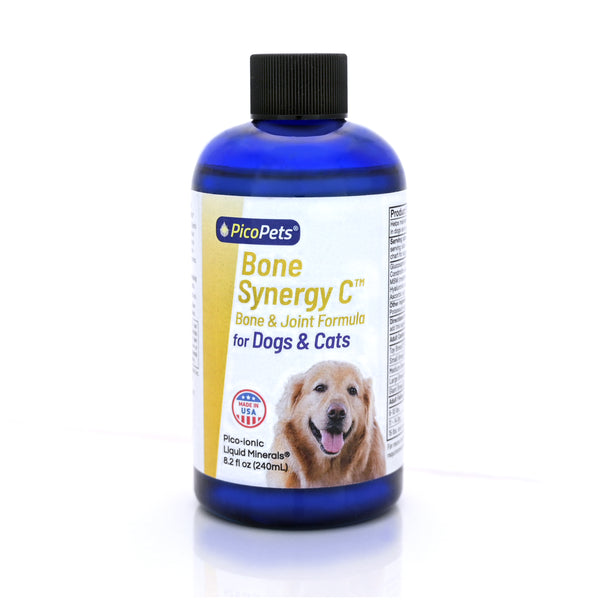
Bone Synergy C™
Our flagship liquid joint supplement, formulated with five clinically recognized ingredients, glucosamine, chondroitin, MSM, hyaluronic acid, and vitamin C, to support cartilage health, joint lubrication, inflammation management, and collagen production. Delivered in our pico-ionic liquid form for superior absorption, it's simply added to food at mealtime.
Complementary Support for the Whole Joint System
Joint health isn't just about cartilage, it's also muscle function, inflammation, and mineral status. That's why Bone Synergy C is often paired with:
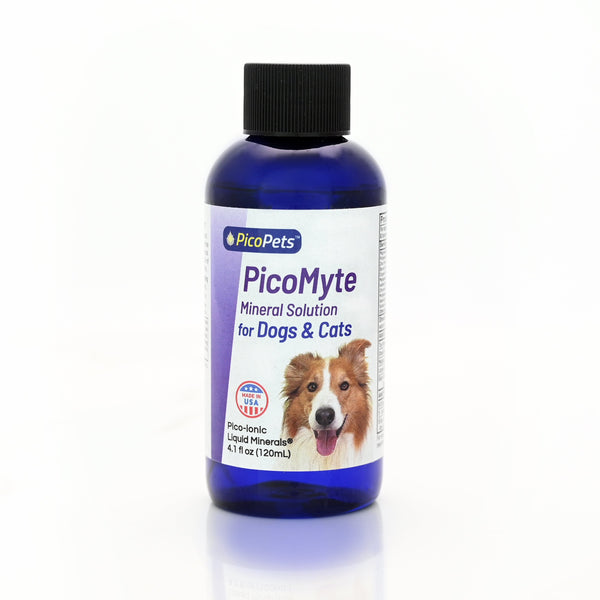
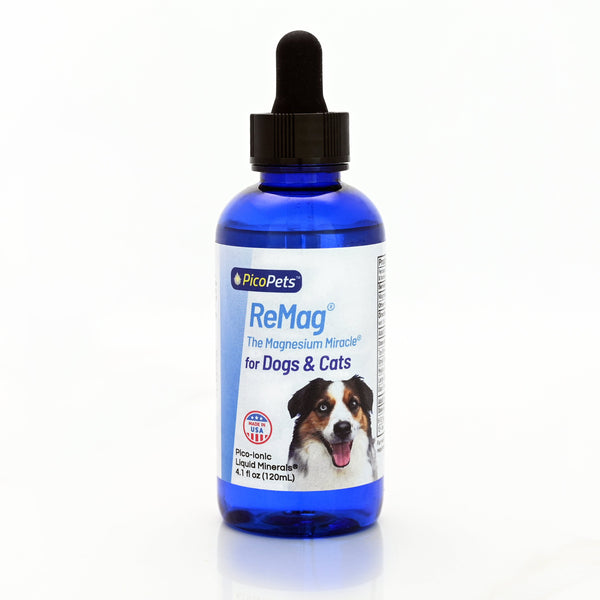
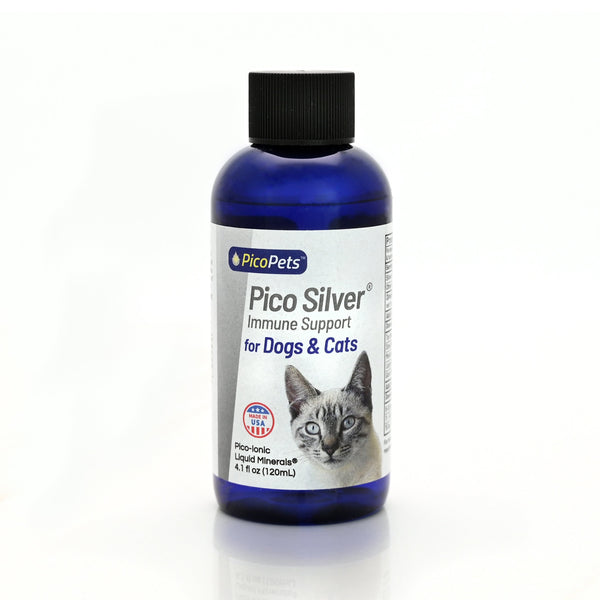
Joint Health FAQs
What is the best joint care for dogs?
The best joint care for dogs combines daily movement, healthy weight management, and a multi-ingredient joint supplement, ideally one that includes glucosamine, chondroitin, MSM, hyaluronic acid, and vitamin C, which work together to support cartilage, lubrication, inflammation, and collagen production rather than addressing just one piece of joint health.
How do I prevent mobility issues in dogs and cats?
Preventing mobility issues starts with keeping your pet at a healthy weight, maintaining regular low-impact exercise, introducing joint-supportive nutrition before symptoms appear, making small home modifications like ramps and orthopedic bedding, and scheduling routine veterinary check-ins, especially for senior pets and breeds predisposed to joint disease.
At what age should I start joint supplements for my dog or cat?
Earlier than most pet parents assume. Research suggests joint supplementation is most effective when started before significant cartilage damage occurs, so even young, active pets, particularly large-breed dogs and breeds prone to joint disease, can benefit from starting a supplement like Bone Synergy C well before signs of stiffness appear.
What are the earliest signs of joint problems in dogs and cats?
In dogs, watch for hesitation before jumping, stiffness after rest, slower walks, and reluctance on stairs. In cats, watch for reduced jumping, less grooming, and increased sleeping. These subtle changes often appear well before a visible limp.
Are joint supplements safe for both dogs and cats?
Yes, when dosed appropriately for your pet's species and weight. Bone Synergy C, for example, includes separate dosing charts for dogs and cats. As with any supplement, it's a good idea to check with your veterinarian, especially for pets with existing health conditions.
Prevention Is the Best Joint Care You Can Give
Joint health isn't about waiting for a limp to show up, it's about giving your pet's body consistent, daily support so they can keep doing the things they love: the walks, the stairs, the leap onto the bed. Whether you're starting with a young, active pet or supporting a senior who's slowing down, the earlier you begin, the more mobility you help preserve.
Partner with PicoPets®!
Love advocating for pets? We're looking for individuals, organizations, retailers, and pet experts who want to help the health and wellness of dogs and cats through the PicoPets® formulas. See how you can partner with us by clicking the button below!
Related Posts
Introducing Our Bone & Joint Supplement for Dogs & Cats - Bone Synergy C
Why Less Is More: Choosing Clean Pet Supplements
The Role of Magnesium in Dog's Health


