


A cat straining in the litter box with little or nothing to show for it is one of those moments that sends pet parents straight to Google. Cat constipation is common, and most cases are manageable at home once you understand what's causing it. But it can also be a sign of something more serious, so knowing what's normal, what's not, and when to call the vet matters.
Below, we'll cover the causes and signs of a constipated cat, vet-informed home remedies, and how daily hydration and gut support, like our PicoMyte mineral supplement, can help regulate their gut.
What Causes Constipation in Cats?
Constipation happens when stool moves too slowly through the colon, becoming hard, dry, and difficult to pass. In cats, this is usually tied to one or more of the following:
- Dehydration: Cats are notoriously poor water drinkers, and even mild dehydration pulls moisture out of the colon, hardening stool. This is one of the most common and most fixable causes.
- Low-fiber or low-moisture diet: Diets heavy in dry kibble and light on fiber and water content can slow things down.
- Hairballs: Excess fur swallowed during grooming can bulk up in the intestines, especially in long-haired breeds.
- Obesity and low activity: Extra weight and a sedentary lifestyle both slow digestive motility.
- Pain or arthritis: Cats in pain may avoid squatting to defecate, especially senior cats with joint stiffness.
- Stress or litter box aversion: A dirty box, a new home, or a multi-cat household can cause cats to "hold it," worsening constipation over time.
- Underlying medical conditions: Kidney disease, megacolon, and certain medications can also be culprits and require veterinary diagnosis.

Signs Your Cat Is Constipated
Common cat constipation symptoms include:
Straining in the Litter Box
Repeated attempts to go with little or no stool produced, often with visible discomfort or vocalizing.
Hard, Dry, or Small Stools
Stool that looks like small, dry pellets rather than a firm, moist log is a telltale sign.
Fewer Litter Box Trips
Going less often than usual, or skipping bowel movements for a day or more.
Vomiting, Lethargy, or Appetite Loss
These signs suggest constipation is affecting your cat's comfort and overall wellness, and warrant a closer look.
When it's an emergency: Straining without producing urine or stool can also signal a urinary blockage, which is life-threatening and especially common in male cats. If your cat is straining and you don't see stool or urine, treat it as an emergency and contact a vet immediately. Constipation paired with vomiting, or a cat that hasn't passed stool in 48 to 72 hours, also needs veterinary attention right away.
How to Relieve Cat Constipation at Home
For mild, uncomplicated cases, these vet-informed steps can help get things moving again:
Boost Hydration
Dehydration is the root cause behind most constipated cats. Add extra water bowls around the house, try a cat water fountain (many cats prefer running water), and consider switching to wet food to increase overall moisture intake.
Add Fiber
A small amount of plain canned pumpkin or a vet-approved fiber supplement can help add bulk and draw water into the stool, making it easier to pass.
Manage Hairballs
Regular brushing reduces the amount of fur your cat swallows during grooming, lowering the risk of hairball-related blockages.
Encourage Movement
Play sessions and light activity help stimulate normal gut motility, especially helpful for less active or overweight cats.
Support Gut Health Daily
Consistent mineral and hydration support, like PicoMyte, helps maintain the fluid balance and digestive efficiency that keep stool soft and regular, rather than addressing constipation only after it starts.
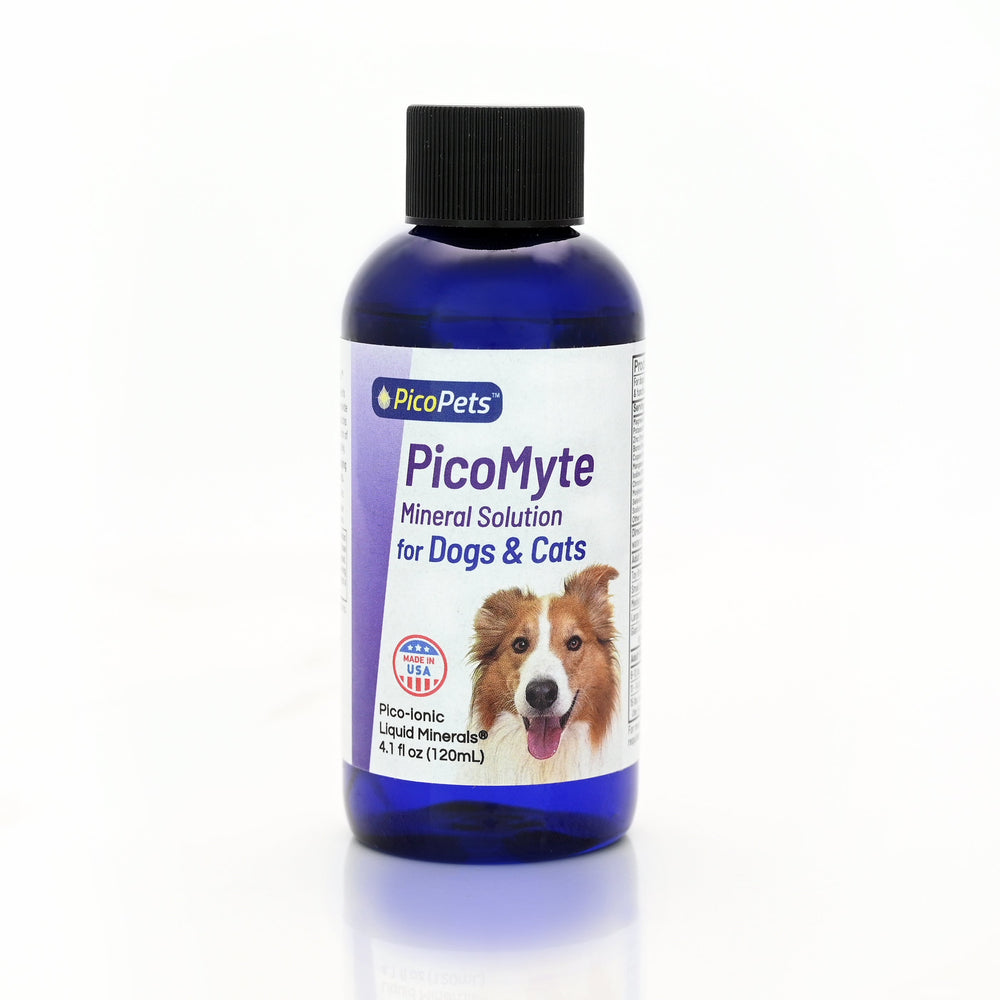
PicoMyte: Daily Hydration and Gut Support
PicoMyte is an 11-in-1 liquid mineral supplement built around one of the biggest drivers of cat constipation: hydration. It supplies electrolytes that help regulate fluid balance in the gut, supporting efficient nutrient absorption and helping prevent both constipation and diarrhea, alongside benefits for skin, joints, and more.
It mixes right into your cat's water bowl, so there's nothing extra to remember at mealtime, just one simple daily add.
Pairing with Pico Silver for Gut Balance

While PicoMyte works on hydration and mineral support, Pico Silver helps maintain a healthy balance of gut bacteria by reducing harmful microbes that can disrupt digestion. Many pet parents pair the two as a daily gut health duo, one supporting fluid balance, the other supporting microbial balance, for more complete digestive support.
When to See a Vet
Home remedies are appropriate for mild, occasional constipation. Call your vet if your cat:
- Hasn't passed stool in 48 to 72 hours
- Is straining with no urine or stool produced
- Is vomiting, lethargic, or not eating
- Has repeated or worsening episodes of constipation
Chronic or recurring constipation can point to an underlying condition that needs proper diagnosis and treatment, so it's always worth a professional exam rather than repeated home fixes.
Frequently Asked Questions
How long can a cat go without pooping before it's a problem?
Most vets consider 48 to 72 hours without a bowel movement a sign it's time for a vet visit. If your cat is also straining, vomiting, or lethargic, don't wait that long, contact your vet the same day.
What can I give my cat for constipation at home?
For mild cases, extra water sources, a switch to wet food, and a small amount of plain canned pumpkin can help. Daily hydration and mineral support, like PicoMyte, can help prevent constipation from recurring. Always check with your vet before giving any new remedy, especially if your cat has an existing health condition.
Does PicoMyte help with cat constipation?
PicoMyte supports the hydration and fluid balance that keep stool soft and moving normally through the gut, one of the most common underlying issues behind constipation. It's designed as daily preventive support rather than a treatment for an active, severe case, so cats already straining or in distress should see a vet first.
Can Pico Silver be used alongside PicoMyte?
Yes. PicoMyte and Pico Silver are often used together as part of a daily gut health routine, PicoMyte for hydration and mineral balance, Pico Silver for supporting healthy gut flora. Both are added directly to water or food.
Keep Your Cat's Gut Healthy, One Daily Add
PicoMyte makes it simple to support hydration and digestion every day, before constipation becomes a recurring problem.
Partner with PicoPets®!
Love advocating for pets? We're looking for individuals, organizations, retailers, and pet experts who want to help the health and wellness of dogs and cats through the PicoPets® formulas. See how you can partner with us by clicking the button below!
Related Posts
The Hidden Mineral Deficiency That's Making Your Cat Low Energy
How Heat Impacts Your Pet's Hydration and Recovery
Why Cats Are Especially Prone to Dehydration (and What You Can Do)


